


With 2019 coming to a close, my kids and I have been talking a lot about setting goals in the new year. The yogi’s guide to setting SMART goals is my contribution to help make new year resolutions a reality!
The last two years or as I now lovingly refer to them as A.D. or “After Divorce,” have been both evolutionary and revolutionary. As a woman nearing her fifties, I’ve never experienced living on my own. Now, as the “boss” of every area of my life, I have the freedom to live and am empowered to be the very best version of myself and let’s just say, I am having the time of my life!
I’ve experienced so much change in these two years, from moving homes to a new job role, teaching yoga seven days a week, traveling extensively, starting my own company, creating this space and launching my first product line and I have realized it’s time to slow down, take stock of where I am, regroup and refocus my energy. I am truly grateful I’ve found my purpose and am leading my best life. But in hindsight and after a great deal of self-reflection, it is time to redefine my goals and make some changes.
Change is a transformative and Merriam Webster defines change as “to make radically different” and goal as “the end to which effort is directed.” So what is my goal for 2020? After careful thought, my goal for the new year is to find “balance” in three areas of my life. The changes I commit to will help me realize my goal.
For nearly two decades, I’ve been a project manager in the Information Technology sector. I’ve helped my teams identify, streamline, execute and achieve technical excellence. So it made a lot of sense to take a chapter out of my project management manual and apply the same techniques to achieve my personal goals.
I created the Yogi’s Guide to SMART Goal Setting after success with drafting a set of goals I feel I can commit to and achieve. I hope you find this guide useful as you think about how you will create and achieve your 2020 goals!
The Yogi’s Guide to SMART Goal Setting

What you’ll need:
- A journal
- A planner
- Favorite pen
- Time to reflect
- Honesty
- Inspiration
- An open-mind
Step 1: Find the perfect journal and planner. I wanted something I could carry with me everywhere and purchased a lovely set I found at Barnes and Noble.
Step 2: Label the journal. I labeled my journal “2020 Goals, Dreams and Aspirations.”
Step 3: Identify and define your goal (s). Here is where time to reflect and being honest is critical. I spent the last several weeks thinking about what areas of my life have kept me up at night with worry or have caused me emotional pain and it took a great deal of honesty to conclude the following:
- I am a terrible money manager.
- My personal yoga practice has been almost non-existent because I deprioritize my own needs.
- I need to move forward in certain relationships and let go of others.
After figuring out what wasn’t working, it was easy to identify what I wanted to change and make work moving forward. I drafted my goals for 2020 as follows:
Find steadiness in my finances; harmony in caring for my wellness; equilibrium and harmony in my relationships.
Step 4: Divide the journal into sections and label each section by goal. I created three sections:
Section 1: Finance and Business
Section 2: Self-care, Health and Wellness
Section 3: Relationships
Step 5: For each goal, answer the following questions:
- What is my current state?
- What are the key factors driving this change?
- What is the change I must make?
- How will I feel if I make this change / don’t make this change?
- What is the priority of this change in my life?
- How will making this change impact other areas of my life?
- How will I make this change? (Step 6)
- What do I need to make this change?
- How will I manage roadblocks?
- Do I believe I can make this change happen? Confidence level (1 – Low; 5 – High)
Step 6: Using the goal setting SMART methodology, refine how you will achieve your goal. SMART is an acronym that stands for:
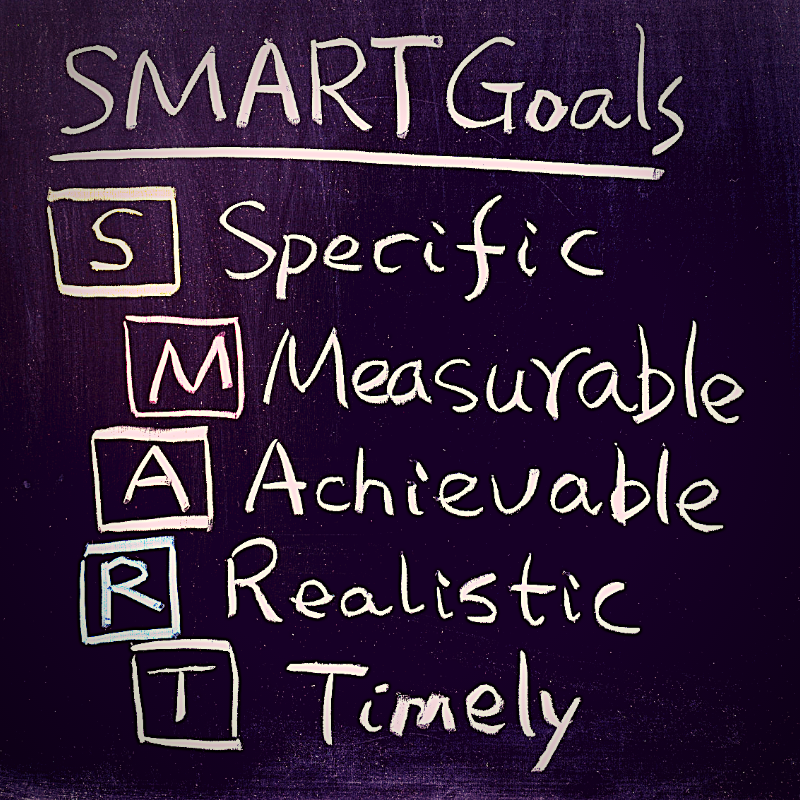
S – Specific: what do I want to achieve?
M – Measurable: how will you measure progress?
A – Achievable: how will I achieve my goal?
R – Realistic: is this goal realistic?
T – Time-bound: what is my deadline?
Using my finance goal as an example, I created an overarching or parent goal. Here’s how I applied SMART to create a plan to achieve financial security, growth and steadiness in 2020:
Specific: I will grow my annual savings by 20% of my take-home salary.
Measurable: I will save X dollars every month with a total annual savings of X dollars.
Achievable: Using the 50/30/20 (50% – essential spend; 30% – wants; 20% – savings) financial planning formula, I will create a new budget (plan outlined in the next section) that will allow me to save X dollars each month. Purchases outside of monthly recurring bills will be made with cash only. I opened a separate business checking and savings account and will apply for a business credit card to segregate my personal and business spend.
Realistic: I will create an annual spend plan based on previous years of spending then map out a monthly budget and follow it! I will cross-reference my spend plan against my monthly budget and what I’ve actually saved at the end of each quarter and recalibrate as needed. I will also budget for un-foreseen expenses without having to dip into my savings.
Time-bound: Start-date: January 1, 2020; End-date: December 31, 2020
Step 7: Further break each goal down by shorter timeframes using the SMART method and draft a smaller child-goal for your parent goal (Step 6,) and map them in your planner by timeframe:
- Goal by quarter
- Goal by month
Step 8: Review each goal. Find inspiration. Manifest your goals!
I found quotes and wrote them in my journal and planner for inspiration. I also found interesting blogs on how to stick to a budget for my financial goal. I drafted a yoga practice I could do anywhere and found some home self-care recipes and rituals that aren’t time consuming and easy to do. Finally, I wrote a meditation to balance my throat chakra to help with speaking my truth in relationships.
I do believe and very strongly, we have the power to manifest whatever we desire.
A simple step-by-step process to manifest whatever you desire:

1. Be clear and specific about what you want and write it down! (Step 6 should outline that for you!)
2. State what you want to manifest with strong conviction. I pray and meditate daily, and visualize all that I wish to manifest coming to fruition. You can also get creative with a visual board.
3. Believe in what you want to manifest and it will happen. Stay present, focused and positive.
4. Work towards your goal daily.
5. Offer gratitude! I pray daily and thank God for all that I have and created a section in my journal where I write what I am grateful for. I try to write daily but if I miss a day, I don’t sweat it.
There are many benefits of setting goals:

- Achieving results
- Increasing self-esteem
- Creating a sense of purpose
- Setting clear intentions
- Maintaining focus
- Driving motivation
- Time management
And the list goes on and on…
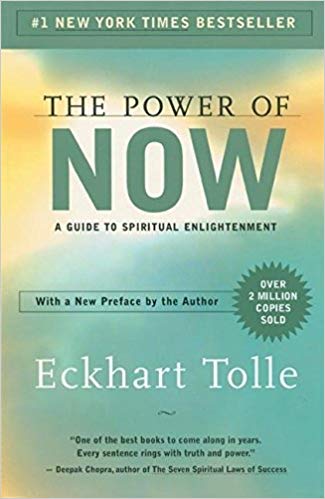
But sometimes, goals can feel burdensome despite our best intentions. We put so much pressure on ourselves to succeed in meeting our objectives and the deadlines we set can overwhelm us. I needed a gentle reminder that I had three hundred and sixty five days to achieve my goals and the wrong kind of focus and energy would sabotage my best intentions. I remembered something I read in Eckhart Tolle’s The Power of Now. Tolle talks about goals and time and here’s what he had to say:
“Any planning as well as working toward achieving a goal is done now…If you set yourself a goal and work toward it, you are using clock time. You are aware of where you want to go, but you honor and give your fullest attention to the step that you are taking at this moment.” Eckhart Tolle, The Power of Now
As a yoga teacher, I remind my students to be present both on and off the mat. When we shift our focus away from where we are and what we are doing in the present moment, we lose the essence of the experience. Turning our attention to events from our past or worrying about what is to come next is the cause for anxiety and unhappiness. But by being in the moment, we not only open ourselves to what is possible it is in the present moment in which we find equilibrium, steadiness and harmony.
So there you have it! I hope you enjoyed the yogi’s guide to SMART goal setting! Drop me a line and let me know if you found this guide helpful. Be present, stay focused, have fun with the process and like I tell my kids, always remember, you were born to do great things, now go do them!